
How to Search the Taylor Court Docket
Every Taylor docket question leads to Town Hall and the Municipal Court Clerk. That is what the town's official court page says. The route is simple. Taylor publishes no online case search, no public docket screen, and no way to pay through a portal. Call with your citation or case number in hand. If you have no number, give the full name, the date, and the kind of local matter involved. Then ask two things. Is the case on the upcoming Taylor calendar? How does the clerk handle copy or payment requests?
- Read the Taylor citation, complaint, or court notice for the court name, case number, and issuing agency.
- Call Taylor Town Hall and ask the Municipal Court Clerk whether the Taylor case is entered and what setting is current.
- Confirm that the matter is a Taylor town ordinance case before treating it as a Municipal Court docket.
- Ask how the Taylor clerk handles a docket sheet, copy, payment question, or reset confirmation for that case.
- If the file belongs to Circuit or County Court, use Lafayette’s county court channels after confirming the division.
Some Taylor cases belong at the county level. Those can be searched through the Lafayette Delta Circuit/County Court Case Search, which takes a party name, a case number, styled parties, a date, a docket book and page, or a file number. One limit: Delta stops updating at February 26, 2024. PAMEC/MEC serves as the newer electronic docket channel for participating cases. Confirm which Taylor court level holds the case before you rely on either system.
Taylor Court Clerk Searches
For a direct Taylor docket call, Town Hall answers at 662-236-7551. The town's court page names Municipal Court Clerk Mark Woods as the contact. Ordinance matters are heard in the Town Hall Courtroom. No web portal exists for local cases, so the phone is the tool. Keep your details close. Have the citation number, the name, the date, and any known hearing date in front of you. Then ask about copies, receipts, or confirmation of the current calendar.
Taylor Municipal Court
Town Hall, 12 Main Street
Taylor, MS 38673
662-236-7551
The official Taylor Municipal Court page is the source for this Taylor court-access image.
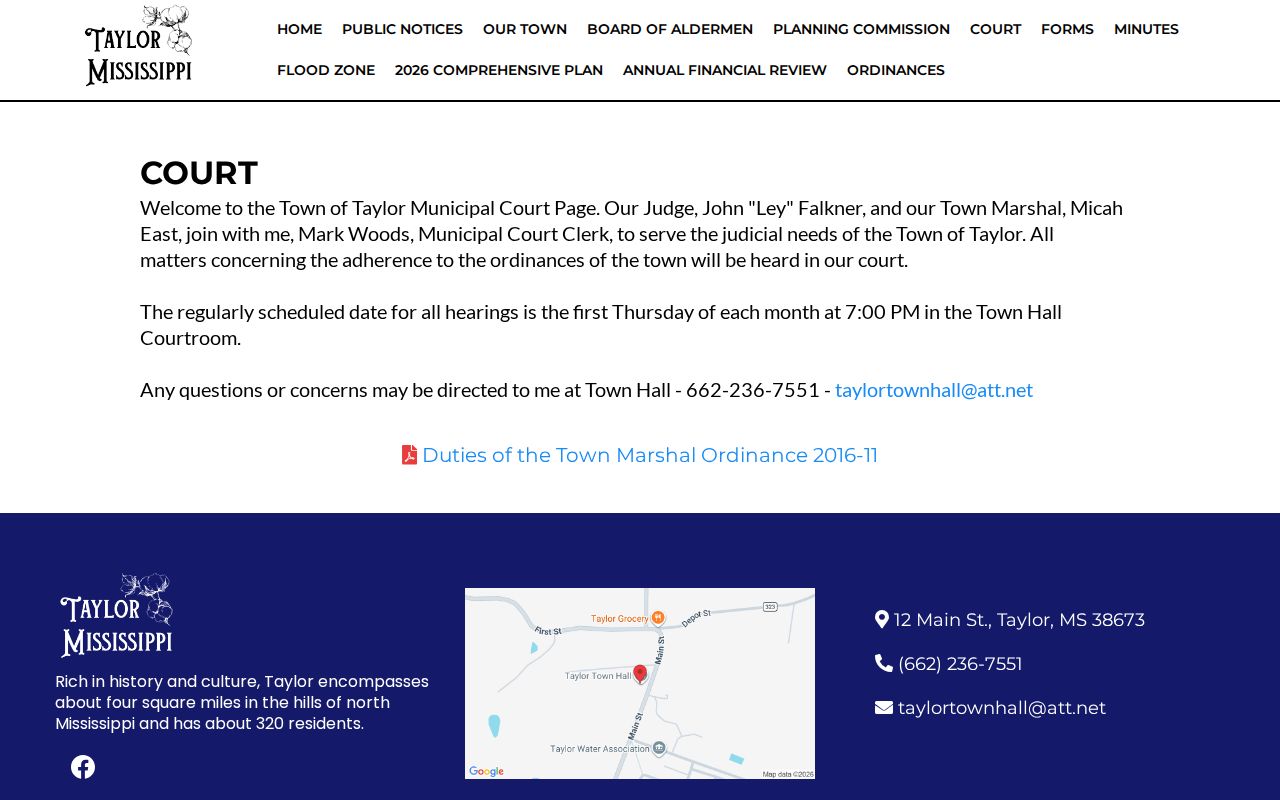
The Taylor court page gives a reliable local contact and schedule context. It makes no claim to an online docket service, and the town has published none.
The Taylor Municipal Court
Taylor Municipal Court handles all town ordinance matters, per the official town court page. The page names Judge John "Ley" Falkner, Town Marshal Micah East, and Clerk Mark Woods. An ordinance case stays in the local municipal process. A citation from another agency may belong in a different Lafayette court. A county-level case might as well. Taylor describes a local courtroom, not an electronic docket system. Read the court shown on the notice first. Only then try an Oxford portal, a Justice Court page, or a county search. The Taylor clerk can confirm two things for you. Is the matter a town ordinance case? Does it appear on the calendar? That check keeps a Taylor docket search accurate. Case location alone is not enough. Look at the issuing agency, the court caption, and the case number. Then follow whichever Taylor or Lafayette channel the record itself names.
Taylor Ordinance Docket Scope
A Taylor Municipal Court docket covers town ordinance matters and nothing wider. It is not a countywide index. Circuit Court takes felony prosecutions, civil lawsuits, and appeals from lower courts. County Court holds separate statutory authority. Justice Court handles the traffic, misdemeanor, preliminary felony, and small-civil matters assigned to it. Each court may keep its own Taylor-connected docket. Taylor describes itself as about 320 residents across roughly four square miles. The 2020 Census table records 355 residents. Neither figure changes what belongs on the Taylor Municipal Court docket. The citation and the court caption decide the routing. The 2020 incorporated-places table is the official source behind this civic-context data.
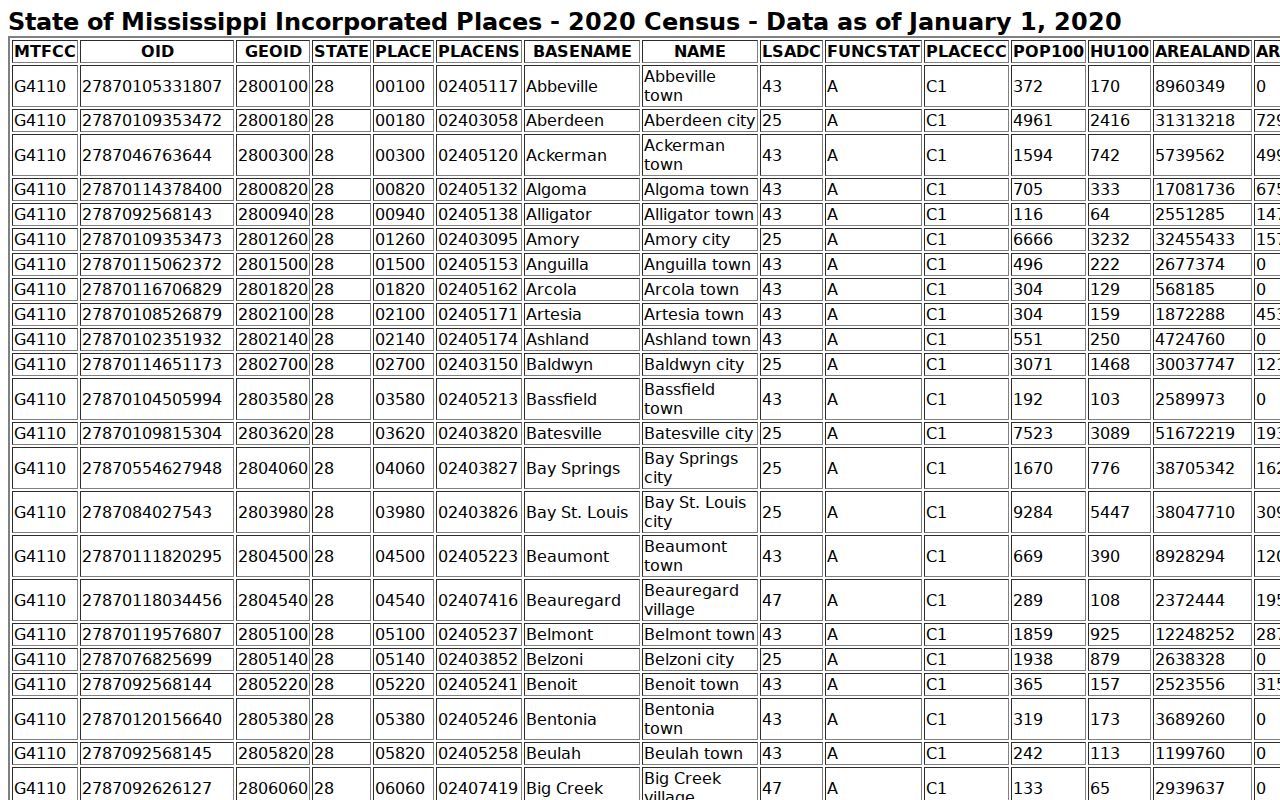
Taylor's status as an incorporated place explains why it runs its own local court route. Even so, the court caption on the paperwork decides which docket applies.
Taylor Court Dates and Settings
Taylor Municipal Court meets the first Thursday of each month at 7:00 p.m. The courtroom is inside Town Hall. Treat that as the standing schedule, not your specific date. Holidays, cancellations, continuances, and resets can all move a setting. Call Town Hall to confirm the exact Taylor court date.
| Date | Taylor hearings are regularly scheduled on the first Thursday monthly; confirm the specific case date. |
|---|---|
| Time | The published regular Taylor time is 7:00 p.m.; the court notice or clerk controls a particular setting. |
| Courtroom | Taylor Municipal Court uses the Town Hall Courtroom. |
| Judge | The official page identifies Judge John “Ley” Falkner; the setting record controls a specific appearance. |
| Setting Type | Ask whether the Taylor event is a hearing, trial, payment deadline, reset, or another court action. |
A "regularly scheduled" session does not promise a hearing for every Taylor docket entry that night. A continuance request is not complete until the court's own process reflects it. The Taylor clerk can confirm what the record shows and how the procedure works.
Taylor Court Calendar Routine
Because court falls on a first-Thursday evening, a caller can simply ask whether a cited ordinance matter appears on the next Town Hall calendar. The answer still depends on entry timing, any reset, and the current schedule. Keep the notice and citation handy. Verify the case number, the event type, and the time with the clerk. The town-board schedule is not the court schedule. A docket is an event history, not just a list of dates. It may show a citation, a hearing, a setting order, a reset, a payment event, and a disposition. "Disposition" means the result that resolves the matter. "Reset" means the court moved a setting.
- Setting
- A Taylor court event assigned for a date and time.
- Reset
- A Taylor setting moved to a different date or time by the court process.
- Disposition
- The result recorded when a case is resolved, such as a dismissal, plea, or judgment.
Taylor Traffic Tickets
Taylor offers no online citation lookup or payment portal. For a Taylor municipal ticket or ordinance citation, call the Municipal Court Clerk. Have the citation number, date, your name, and the issuing agency at hand. Ask if the case sits on the Taylor docket, whether you can pay before court, and whether a hearing is required. Also ask what receipt or copy you can get. The docket shows the case and its events, while the state motor-vehicle authority keeps the driver record separately.
Ticket routing depends on which agency wrote it. Lafayette County Sheriff, University Police, and Mississippi Highway Patrol tickets run through Justice Court. Oxford Police tickets go to Oxford Municipal Court. None of that settles a Taylor town matter. A Taylor citation belongs to the court named on it. The Taylor clerk can confirm which one that is. For the broader picture, see Lafayette County traffic court records. That county page does not replace the clerk's guidance on a specific Taylor citation.
Taylor Citation Docket Requests
Keep a Taylor citation request narrow. Give the case or citation number, the name, and the date. Say the exact record you want. A docket sheet, payment receipt, order, certified copy, and disposition are all different items. The Taylor clerk can tell you which of those exists. The clerk can say how to ask for it.
If the citation is recent, confirm the case has been entered. The clerk knows whether it is on the calendar or belongs with another court. Restricted, sealed, youth, or expunged matters may not be available at all.
Taylor request point: The citation number, court name, and current clerk confirmation are more dependable than an assumed online lookup for a local ordinance matter.
Where Taylor Cases End Up
A Taylor case that is not a town ordinance matter can move into a Lafayette County court. Circuit Court handles felony prosecutions, civil lawsuits, and appeals from lower courts. So a Taylor Municipal Court judgment can land on a county-level appeal docket. A local docket entry is not always searchable through the Taylor court channel for the full life of the case.
Docket flow: Taylor Municipal Court › Lafayette County Courts › Circuit Court
The Lafayette County Circuit Clerk is the practical records route. That office covers Circuit and County Court dockets. PAMEC/MEC is Mississippi's electronic filing and docket system. It covers participating courts and non-restricted files. The local Delta search has its posted update limitation. An appeal beyond the trial courts may reach the Mississippi Court of Appeals. For the full county structure, visit the Lafayette County court docket home page.
Taylor Court Forum Boundaries
Picking the right court keeps a Taylor docket search from drifting into the wrong system. Taylor Municipal Court handles town ordinance matters. Justice, County, Circuit, Chancery, federal district, and appellate courts are separate. Each has its own clerks and dockets. A federal electronic-filing system will not find a Taylor municipal citation. The caption and court name are the routing facts. The Fifth Circuit electronic-filing information page shows how that separate appellate system works.
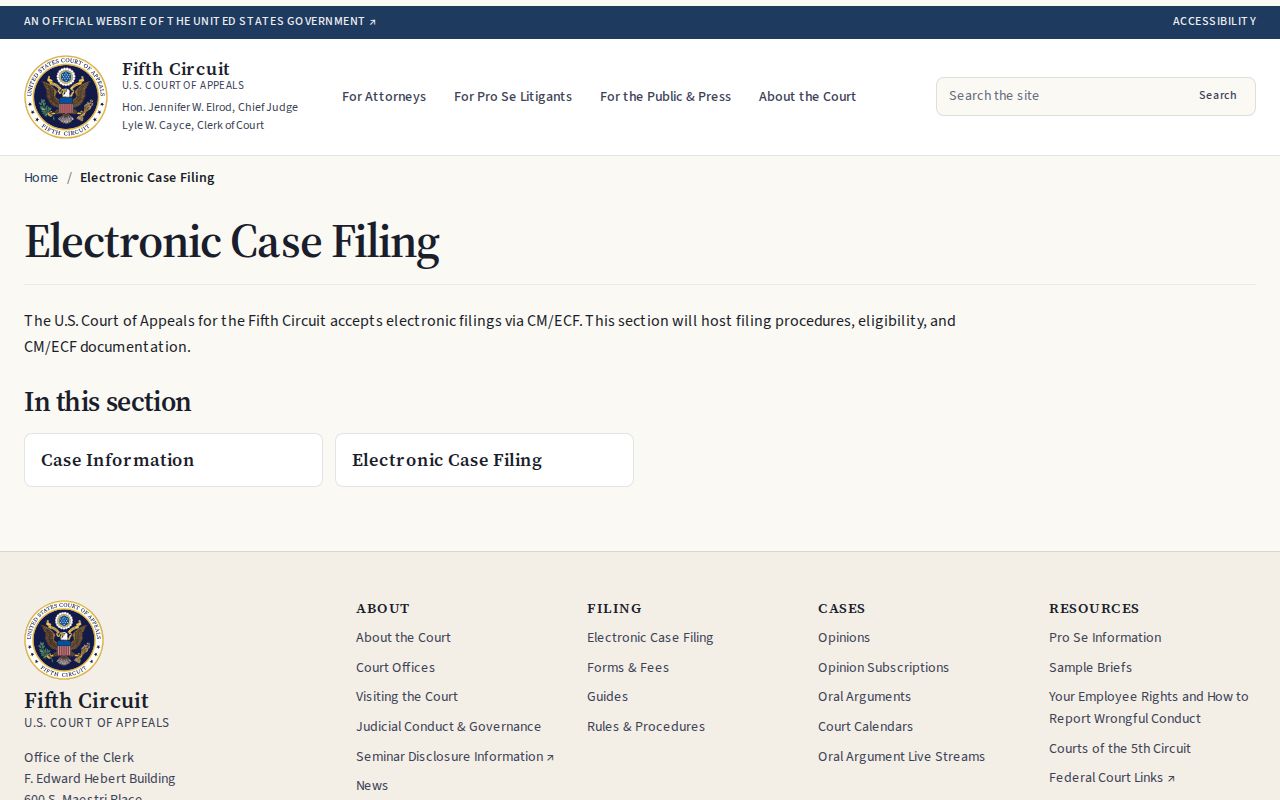
That federal appellate material is a reminder. Search a Taylor court docket through the court that actually holds the local case.
Lafayette County's published materials state that a self-represented person may act as their own lawyer. That person is held to the same standard as an attorney. Court staff cannot give individual legal help. That boundary applies when Taylor or county staff explain an available docket or form.
Public Access to Taylor Court Records
Taylor court records are available from the right office, subject to public-access and confidentiality rules. Start with the Taylor Municipal Court Clerk for a town ordinance docket or copy. Give the court name, case or citation number, approximate date, document title, and copy type. A Taylor record held by another court must be requested from that court's clerk.
The Mississippi Public Records Act of 1983 grants inspection and copying rights. Those rights cover non-exempt public records. It allows actual reasonable costs for searching, reviewing, copying, and mailing. A public body should separate exempt material where possible. A written denial should name the exemption. The Act does not override a sealing order. Nor does it override a youth-record restriction, MEC privacy rule, or other controlling confidentiality law. Ask the clerk what non-restricted record exists rather than trying to reconstruct protected information.
Key Rules:
Mississippi Public Records Act of 1983 - Non-exempt public records may be inspected or copied under the state access framework.
Miss. Code §25-61-5 - The Act addresses access timing and the explanation required when production is delayed.
Mississippi Rule of Civil Procedure 5.1 - Electronic court records require privacy protections for specified personal information.
Taylor Court Record Requests
A Taylor court request works best when it names a precise document. Ask for a docket sheet by name. The same goes for a citation record, court order, receipt, disposition, or certified copy. Include the Taylor court, the case number, and an approximate date. The clerk can explain whether the record exists and what request method applies. The county's self-representation instructions set out this procedural boundary.
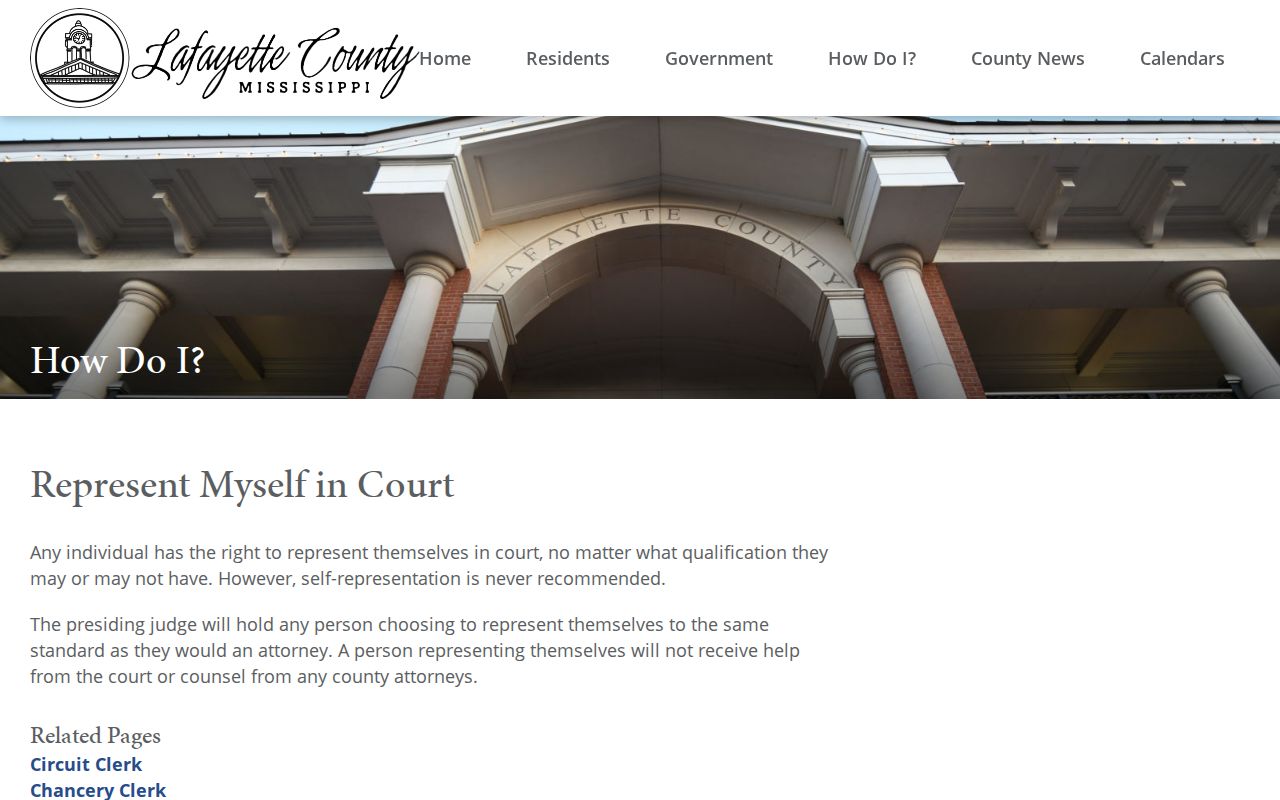
The Taylor clerk can help locate the proper court record. The legal decisions in the case stay yours.
Never send protected personal data in a Taylor request. If the case belongs to Circuit, County, Justice, or Chancery Court, ask Town Hall for routing and then contact the clerk who keeps that docket.